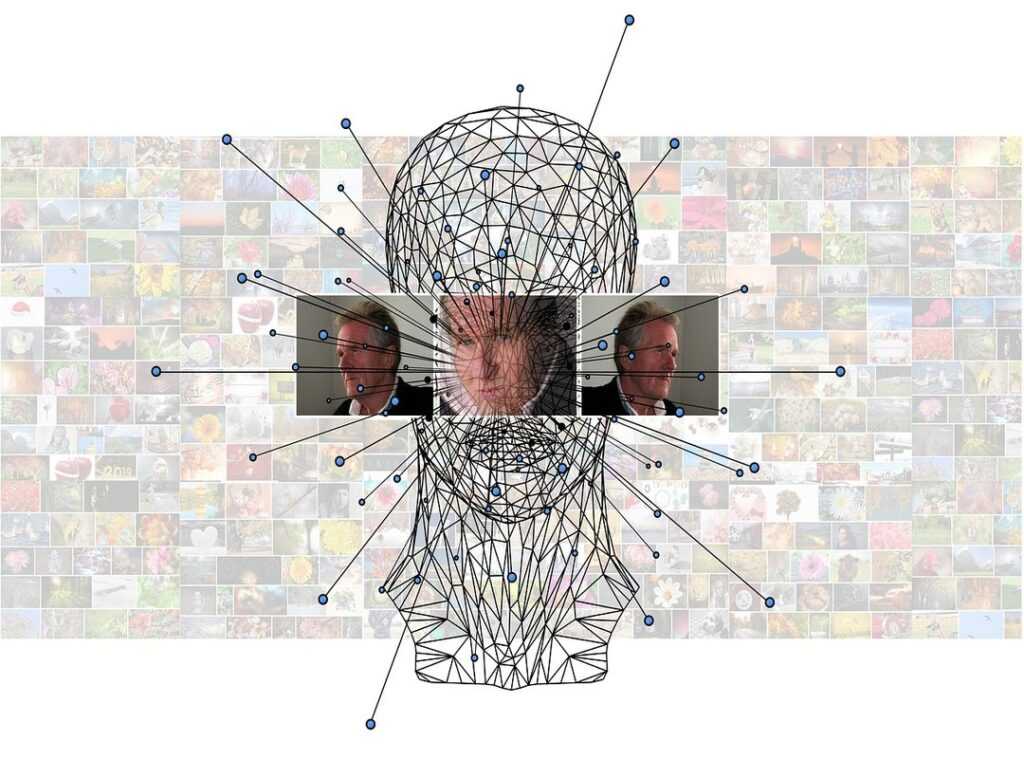
AI is everywhere, isn’t it? From the apps on our phones to the way we shop online, it’s shaping our world. But here’s the catch: understanding the tools behind AI can feel overwhelming. TensorFlow machine learning comes in.
Developed by Google, it’s one of the most solid frameworks out there. So why should you care? Because this article will slice through the jargon, demystifying what TensorFlow is and why it matters.
I’ve seen countless zilla-level machine learning frameworks, and trust me, they’re not all this accessible. We dive deep, making complex tech understandable. By the end, you won’t just understand TensorFlow; you’ll grasp its purpose and power.
Ready to open up the next wave of tech innovation? Stick around. You’ll thank yourself later.
What is TensorFlow? More Than Just Code
TensorFlow is an open-source library for machine learning and artificial intelligence. Think of it as a giant LEGO kit, but instead of castles or spaceships, you’re building complex AI models. The pieces?
They’re called operations. You combine these in countless ways to craft detailed structures. Just like those LEGO sets we all loved.
Now, about the name. Tensors are like the LEGO bricks, but they’re multi-dimensional arrays of data. And “Flow”? That’s how the data moves through a system of operations, like following an instruction manual.
You start by designing a blueprint (a) computational graph (and) TensorFlow executes it with precision. It’s like crafting a skyscraper from a digital blueprint.
TensorFlow machine learning was born from the Google Brain team. That’s a big deal. The same folks who know search engines inside and out are bringing their expertise to AI.
It’s like having the best toolmakers in the business designing your LEGO set.
But it’s not the only player in town. If you’re curious about alternatives, check out pytorch go to system ai researchers. PyTorch is gaining traction and is a favorite among AI researchers.
It offers a different flavor of machine learning, something to ponder if you’re diving into this world.
That’s the magic of TensorFlow. It’s not just code; it’s a vast universe of possibilities. Whether you’re a seasoned pro or just beginning, there’s room to explore.
So, what’s stopping you from building your masterpiece? Dive in and see where your imagination takes you.
The Pillars of Power: Why Everyone Uses TensorFlow
Why is TensorFlow the favorite child of the AI world? For starters, its unmatched scalability is incredible. You can take a model you built on your laptop and roll out it on a smartphone or even a cloud cluster.
That’s flexibility you can’t ignore. It’s like having a universal remote for your smart home devices (well,) not literally, but you get the point.
Next, let’s talk about the thriving space. If you’re serious about TensorFlow machine learning, you’ll appreciate tools like TensorBoard for visualizing models. Then there’s TensorFlow Hub, which lets you dive into reusable model components.
Don’t overlook TensorFlow Lite for mobile and IoT devices, either. These tools make development not just possible, but, dare I say, enjoyable.
Oh, and the language flexibility? TensorFlow doesn’t pigeonhole you into just using Python. Sure, Python is the darling of the data science world, but what if you’re into web apps?
Enter JavaScript compatibility. Need some high-performance computing? C++ has your back.
It’s like the of the programming world (minus the cliche because it actually works).
But here’s the kicker: a strong community. This isn’t some niche system languishing in obscurity. Backed by Google, TensorFlow isn’t just a flash in the pan.
It’s got corporate muscle ensuring continuous development and support. Plus, a massive global community contributes tutorials, solves problems, and keeps the momentum going. And if you’re looking to get your feet wet, consider diving into an introduction to tensorflow for artificial intelligence, ….
So is it any wonder why everyone from scrappy startups to tech giants are sticking with TensorFlow? The answer is staring us in the face. It’s the sheer versatility and support that make all the difference.
TensorFlow doesn’t just keep up; it leads the pack.
TensorFlow in the Wild: Everyday AI Magic
Let’s cut to the chase. You’re swimming in a sea of photos on your phone, right? Ever asked Google Photos to find all those beach days or furry friends?

That’s TensorFlow machine learning at work. It learns to recognize objects like a digital Sherlock. A model gets trained, and suddenly, you’ve got a smart photo detective.
Handy, right?
Now, let’s talk language. Ever barked a command at your voice assistant or used Google Translate? They don’t just guess your meaning.
They use natural language processing. TensorFlow helps them understand and process what you’re saying. It’s like they’re fluent in the details of human chatter.
Impressive, but sometimes creepy. Does it get everything right? Well, mostly.
But when it screws up, it’s often hilarious.
Moving on to your binge-watching habits. Ever wonder how Netflix or Spotify know you too well? It’s TensorFlow again.
It builds recommendation engines that predict what you’ll love next. It’s like having an invisible friend who knows your taste better than you do. You might love it, or find it a bit too on the nose.
Either way, it’s learning from your every click and skip.
And then there’s healthcare. TensorFlow is analyzing medical scans to catch diseases early. It’s a game-changer for doctors.
Imagine spotting something before it becomes a problem. Or simulating complex scientific stuff. The future of healthcare and science could be revolutionized by this tech.
Intrigued? Dive deeper by enhancing ai apache mxnet capabilities.
So, what do you think? Maybe you’re skeptical. Maybe you’re excited.
Either way, TensorFlow is in your life, like it or not.
Your Roadmap: Launching Your TensorFlow Adventure
So you’ve stumbled upon TensorFlow and you’re thinking, “This is cool, but how would I even start?” Let’s cut through the noise. First things first: head over to the official TensorFlow website. It’s your go-to for documentation and tutorials.
This isn’t just some random advice. It’s the best source for installation guides and all things TensorFlow machine learning.
Now, I know the whole thing can feel like a mountain at first. Don’t stress. Start with Keras.
It’s a user-friendly, high-level interface that simplifies model building (seriously, it’s like magic). Keras is fully integrated into TensorFlow, making it ideal for beginners. Trust me, you don’t want to dive into the deep end right away.
But where do you learn all of this? Try free resources like the official TensorFlow YouTube channel or Google’s Machine Learning Crash Course. These are gold mines, packed with easy-to-digest lessons.
There’s also reputable online learning platforms out there, so take your pick.
Lastly, find a simple project to dig into. Maybe an image classifier for cats and dogs? It’s a fun way to apply what you learn.
Get started. You’ll surprise yourself. And probably have some fun too.
Step Into AI with Confidence
AI isn’t a beast to fear. The tools are here, and they’re solid. Sure, navigating AI frameworks feels like wandering a maze, but it’s easier than you think. TensorFlow machine learning is your ticket.
It’s flexible, and trusted by pros. Why just watch the AI revolution when you can join it? Dive in, explore the resources, and take that first step.
Want proof? Countless others have turned concepts into reality with this system. Ready to start your journey?
Begin with a simple project today. Visit susbluezilla.com.co for more takeaways. Your future in AI starts now.