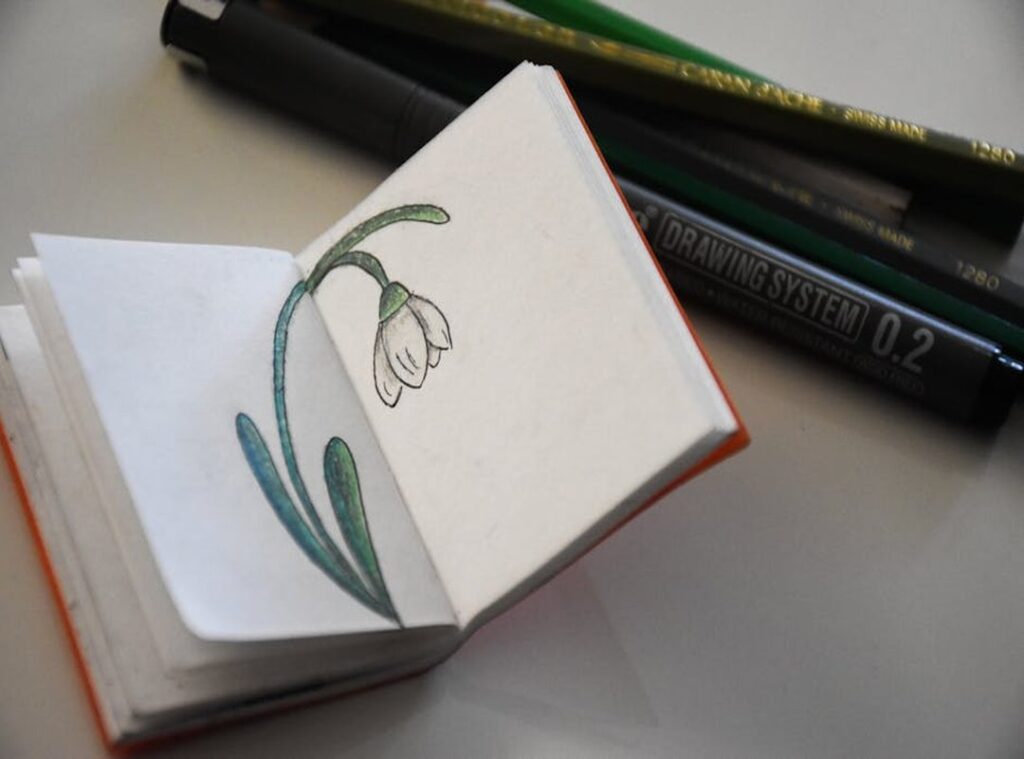
In a world where visual content is everywhere, it’s hard to find something that stands out. meaningful small aesthetic drawings can make a big impact. They’re not just pretty; they’re powerful.
Why do I care? Well, you might be wondering the same thing. These illustrations can change how we see and understand things.
They’re like a breath of fresh air in a sea of noise.
I’ve spent a lot of time looking at and analyzing these kinds of visuals. You can trust me when I say, they matter.
So, what are significant compact artistic illustrations, and why should you care? And how can you use them effectively?
Let’s dive in.
Understanding Significant Compact Artistic Illustrations
I remember the first time I saw a compact artistic illustration. It was a simple line drawing, but it spoke volumes. That’s when I realized the power of less.
Definition: What are significant compact artistic illustrations?
These are small, impactful drawings that convey a lot with very little. Think of them as visual haikus—short, sweet, and to the point.
Characteristics: Key features that make these illustrations stand out
Simplicity is key. A good compact illustration uses minimal elements to get its message across. Clarity is also crucial.
There’s no room for confusion in a tiny space.
Emotional impact. Despite their size, these illustrations can pack a punch. They often evoke strong feelings or tell a story in just a few lines.
Historical Context: A brief overview of the evolution of compact illustrations in art and design
Compact illustrations have been around for a while. Think of ancient cave paintings or medieval illuminated manuscripts. These early forms used simple, clear images to tell stories or convey information.
In the modern era, the rise of print media and later, digital platforms, has made compact illustrations even more popular. Advertisements, comics, and even emojis all rely on the power of small, meaningful visuals.
One of the most notable shifts came with the advent of the internet. Suddenly, artists had a new canvas—one that demanded quick, easy-to-understand imagery. This led to a boom in minimalist and compact styles.
So, next time you see a small, impactful drawing, take a moment to appreciate the artistry behind it. It’s more than just a pretty picture; it’s a whole world in a tiny space.
The Importance of Compactness in Artistic Illustrations
In today’s attention economy, compactness is more important than ever. We’re bombarded with information from all sides.
Why does this matter for illustrations, and well, think about it. A cluttered, overly detailed illustration can overwhelm the viewer.
It’s like trying to read a novel in a single glance. Not going to happen.
Compact illustrations, on the other hand, cut through the noise. They convey complex ideas quickly and effectively. Imagine a simple, clean drawing that tells a story in one look.
That’s the power of compactness.
Visual Impact
Let’s compare two scenarios. You have a detailed, intricate illustration and a simple, compact one. The detailed one might be beautiful, but it takes time to understand.
The compact one, and it hits you right away.
This is especially true in digital media, and on social platforms, users scroll fast. A compact illustration grabs attention and communicates its message before the user moves on.
Versatility
Compact illustrations are also versatile. They work well across different media and platforms. Whether it’s a website, a mobile app, or a print ad, a compact design adapts easily.
Think about it. A large, detailed illustration might look great on a desktop but could be too small on a phone. A compact one, however, scales well and looks good everywhere.
So, when you’re creating or choosing an illustration, consider the compact option. It’s not just about saving space; it’s about making a bigger impact in a smaller footprint.
Applications of Significant Compact Artistic Illustrations
Compact illustrations are a big deal. They pack a punch in a small space, making them perfect for a variety of uses.
Marketing and Branding
Brands use compact illustrations to stand out, and think about it. A simple, well-designed image can say more than a thousand words.
It’s all about creating a memorable brand identity.
Pro Tip: Keep your illustrations consistent with your brand colors and style. This builds recognition and trust.
Publishing and Media
In the world of publishing, compact illustrations bring stories to life. Whether it’s a children’s book or a magazine article, a well-placed illustration can make content more engaging.
Example: Look at how The New Yorker uses small, detailed drawings to complement their articles. It adds a layer of depth and interest.
Education and Training
Educators know that visuals help students learn. Compact illustrations in textbooks and online courses can clarify complex concepts. They break down information into digestible bits, making learning easier.
CAPS: USE ILLUSTRATIONS TO HIGHLIGHT KEY POINTS IN YOUR TEACHING MATERIALS. IT MAKES INFORMATION STICK.
•
•
Remember, the key is to keep it simple and focused. Don’t overcrowd your illustrations, and clarity is king.
Pro Tip: Test different styles and see what resonates most with your audience. Feedback is gold.
So, whether you’re in marketing, publishing, or education, compact illustrations can be a game-changer. Just make sure they align with your goals and audience.
Creating Effective Compact Artistic Illustrations
Creating compact illustrations is like packing a suitcase for a weekend trip. You need to be selective and make sure everything fits neatly. Minimalism is key.
Think of it as decluttering your room—keep only what’s essential.
Balance is another crucial principle, and imagine a seesaw. If one side is too heavy, it tips.
The same goes for your illustration. Elements should be evenly distributed to keep the viewer’s eye moving smoothly.
Focus on the main subject. It’s like having a spotlight on a stage. The spotlight draws attention to the most important part, making it stand out.
Tools and techniques can vary, but simplicity is often the best approach. Use a pencil and paper to sketch your ideas first. It’s like brainstorming with a friend—get all your thoughts out before you commit to a final design.
Digital tools, like graphic tablets and software, are also great. They offer more flexibility, like being able to undo mistakes or experiment with colors. But don’t get too caught up in the tech.
Sometimes, a simple pen and paper can do wonders.
Let’s look at some case studies, and take the iconic Apple logo, for example. It’s simple, balanced, and focused.
The apple with a bite taken out is instantly recognizable. It’s like a well-told joke—short, to the point, and memorable.
Another example is the Twitter bird, and it’s minimal, balanced, and easy to understand. The bird symbolizes freedom and communication, just like the platform itself.
It’s like a good conversation—clear, engaging, and to the point.
  o
 /|\\
 / \\
This little drawing is a simple, compact illustration. It’s minimal, balanced, and focuses on the main subject—a tree. Just like a well-crafted compact illustration, it conveys its message clearly and effectively.
Leveraging the Power of Significant Compact Artistic Illustrations

Meaningful small aesthetic drawings play a crucial role in modern communication. They can convey complex ideas simply and effectively. These illustrations are versatile, fitting into spaces where larger images cannot.
The Solution
Start by identifying key messages that need visual support. Choose a style that aligns with your brand. Keep the design simple to ensure clarity and impact.
Use these illustrations in various formats, from social media posts to infographics.
Integrating compact illustrations requires thoughtful placement. Consider the flow of content and how visuals can enhance understanding. Experiment with different sizes and positions to find what works best.
Final Thought
Embrace the creativity and flexibility that compact illustrations offer. Don’t be afraid to try new styles and approaches. With a bit of experimentation, you can discover powerful ways to engage and communicate.